


Why so many programs go unclaimed
Dozens of federal and state programs exist specifically to help older Americans manage housing, food, utilities, and prescription costs. Yet a significant share of eligible seniors never apply, often because they do not know a program exists or assume they will not qualify. This overview covers the major programs by category so you or a family member can quickly identify where to start.
Eligibility rules vary by program and by state. Income limits, asset thresholds, and residency requirements differ. The information here is general education, not a determination of your eligibility. A local benefits counselor or your State Health Insurance Assistance Program (SHIP) office can walk through specifics with you at no cost.
| Extra Help income limit (full subsidy) | Approx. 135% of federal poverty level (Social Security Administration, 2024) |
| LIHEAP administered by | States, territories, and tribes via federal block grant (Administration for Children and Families) |
| Lifeline monthly discount | Up to $9.25/month on phone or broadband (Federal Communications Commission) |
| SNAP administered by | U.S. Department of Agriculture (USDA) |
| Local benefits navigation | Eldercare Locator: eldercare.acl.gov or 1-800-677-1116 (Administration for Community Living) |
| No-cost Medicare counseling | State Health Insurance Assistance Program (SHIP) (Centers for Medicare and Medicaid Services) |
Help with prescription drug costs
Medicare Part D covers outpatient prescription drugs, but premiums, deductibles, and copays can still add up. The federal Extra Help program (also called the Low Income Subsidy) reduces Part D costs for people with limited income and resources. In 2024, the Social Security Administration (SSA) sets income limits for full Extra Help at roughly 135 percent of the federal poverty level, with partial help available up to about 150 percent. Apply through SSA at ssa.gov or by calling 1-800-772-1213.
State Pharmaceutical Assistance Programs (SPAPs) exist in many states and can layer on top of Extra Help. Eligibility and benefits vary widely. Your State Medicaid office or SHIP counselor can tell you whether your state has one.
For a broader look at coverage options after 65, see our starter guide to health coverage. If you carry Original Medicare, Medigap supplement plans may also reduce out-of-pocket costs that Part D does not address.
Utility and energy assistance
The Low Income Home Energy Assistance Program (LIHEAP) is a federally funded block grant administered by states, territories, and tribes. It helps eligible households pay heating and cooling bills and, in some states, covers emergency repairs to heating or cooling equipment. Income eligibility is typically set at or below 150 percent of the federal poverty level, though states may set higher thresholds.
The Lifeline program, run by the Federal Communications Commission (FCC), provides a monthly discount on phone or broadband service for qualifying low-income households. Only one discount per household applies. Eligible participants include those who already receive Medicaid, Supplemental Nutrition Assistance Program (SNAP) benefits, or SSI.
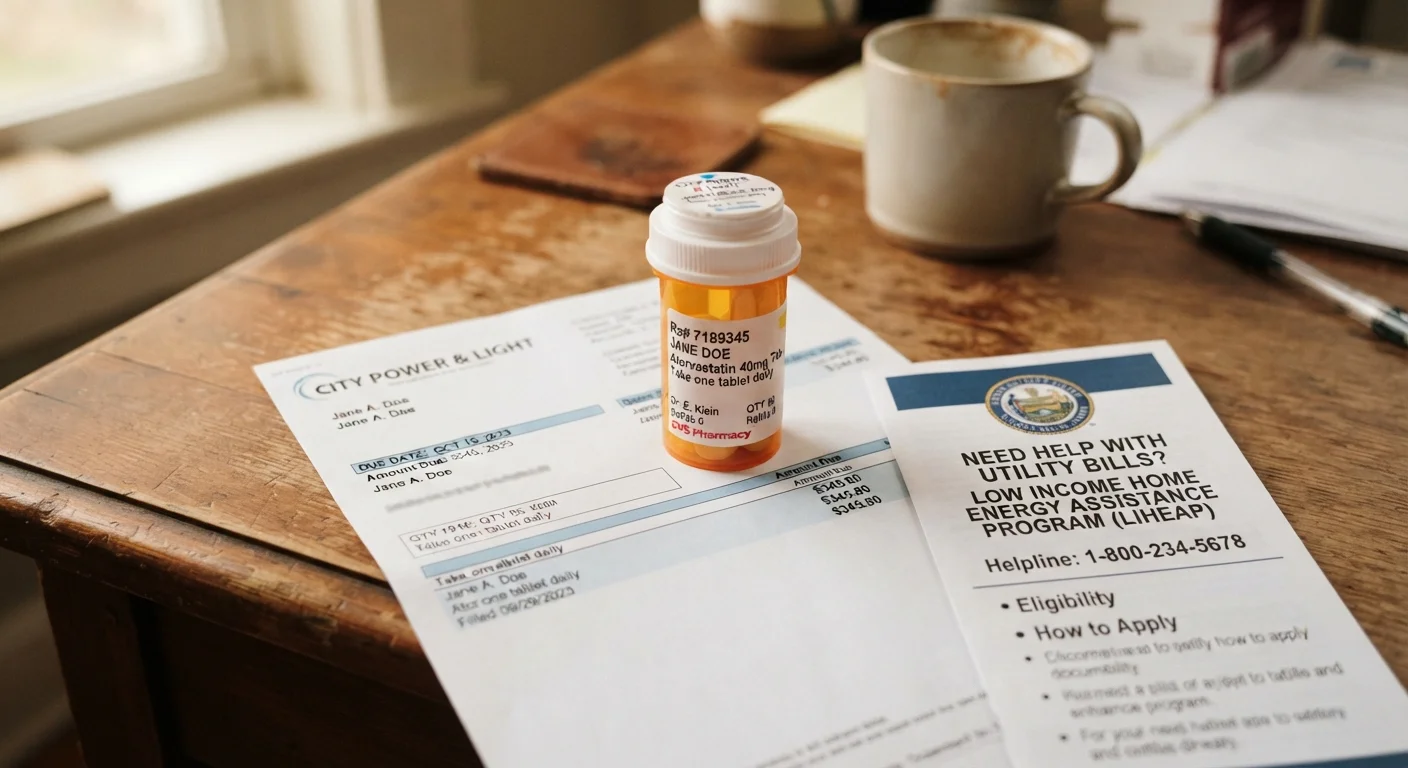
To find LIHEAP contacts in your state, visit the Administration for Children and Families website at acf.hhs.gov. For Lifeline, the Universal Service Administrative Company (USAC) maintains an enrollment portal at lifelinesupport.org.
Food assistance programs
SNAP, administered by the U.S. Department of Agriculture (USDA), is the largest federal food assistance program. Many eligible seniors do not apply because they assume their income is too high or the benefit amount too small to be worth it. Even a modest monthly benefit can meaningfully offset grocery costs, and SNAP enrollment also opens access to other state assistance programs.
The Commodity Supplemental Food Program (CSFP) serves adults 60 and older at or below 130 percent of the federal poverty level. Participants receive a monthly box of nutritious USDA foods through local agencies. Availability depends on state and local program capacity.
Meals on Wheels and congregate meal programs, funded in part through the Older Americans Act (OAA), provide home-delivered or site-based meals for seniors who qualify. Contact your local Area Agency on Aging (AAA) to find services near you. The Eldercare Locator at eldercare.acl.gov connects callers to local AAA offices nationwide.
Housing and property cost relief
The Section 202 Supportive Housing for the Elderly program, run by the U.S. Department of Housing and Urban Development (HUD), funds affordable rental housing with supportive services for very low-income seniors. Waiting lists are common, so applying early is worthwhile if this type of housing may be needed in the future.
Many states and counties offer property tax relief programs for older homeowners, including exemptions, deferrals, or credits. Eligibility usually depends on age, income, and primary residence status. Contact your county assessor's office or state department of revenue to find what is available where you live.
If a move to a senior community is on your radar, our family planning guide covers the financial and logistical steps involved. For questions about Medicaid's role in long-term care costs, common Medicaid myths addresses frequently misunderstood eligibility rules. Veterans may also qualify for additional housing and pension aid; veteran benefits for seniors outlines those programs.
This article is for informational purposes only and does not constitute financial, legal, or benefits advice. Eligibility for all programs mentioned depends on individual circumstances. Contact a licensed benefits counselor or the relevant federal or state agency to determine what you may qualify for.