

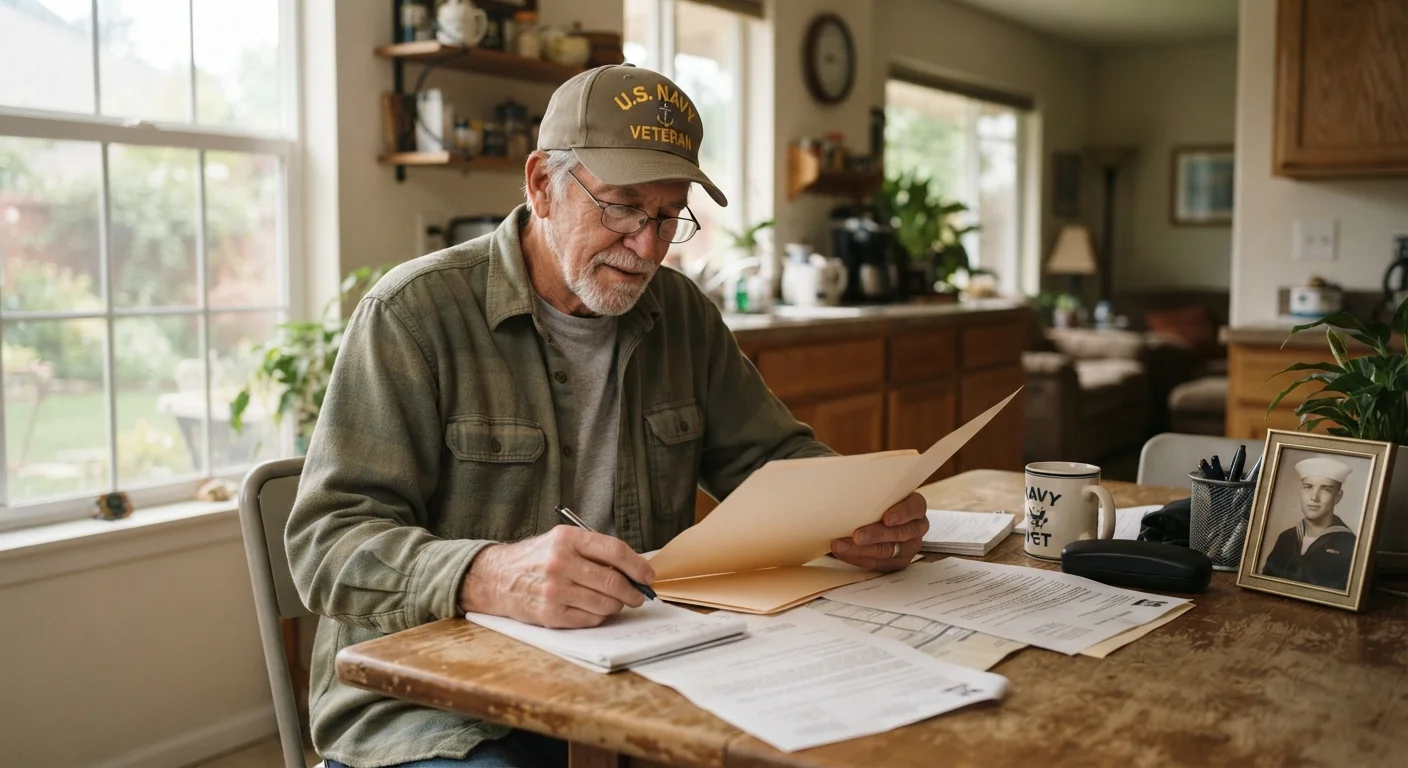
Benefits many veterans leave unclaimed
An estimated 9 million veterans are enrolled in the U.S. Department of Veterans Affairs (VA) health care system, but millions more who may qualify have never applied. Among older veterans, the gap is especially wide. Some assume benefits are reserved for those injured in combat. Others believe their income disqualifies them, or they simply were never told what programs exist.
The programs listed below cover health care, income support, caregiving assistance, and burial planning. Each one is funded by the federal government and administered through the VA or the Social Security Administration (SSA). Eligibility rules vary, so the details here are general and educational. A licensed benefits counselor or a Veterans Service Organization (VSO) can help you assess your individual situation at no charge.
This article is for informational purposes only and does not constitute legal, financial, or medical advice. Contact the VA or a qualified professional for guidance specific to your circumstances.
Programs worth knowing about
VA health care enrollment
Veterans who served on active duty and were discharged under conditions other than dishonorable may be eligible for VA health care. Coverage can include primary care, mental health services, preventive screenings, prescription drugs, and some dental care. Priority is given to veterans with service-connected disabilities, but many others qualify based on income, combat service, or other factors.
Enrollment is not automatic. Veterans must apply through the VA, either online at VA.gov, by phone, or in person at a VA medical center. There is no deadline to apply, though earlier enrollment can mean earlier access to care. Those already on Medicare can still use VA health care for services not covered by Medicare.
Enrollment in VA health care is not automatic; veterans must apply to access the benefit.
Veterans Pension
The Veterans Pension is a tax-free benefit for wartime veterans with limited income and net worth. Eligibility requires a minimum period of active service, at least one day during a recognized wartime period, and discharge under other than dishonorable conditions. Net worth limits apply and are adjusted periodically by the VA.
The benefit is intended to bring a qualifying veteran's income up to a set annual threshold established by Congress. It is separate from military retirement pay. Veterans who receive military retirement or VA disability compensation generally cannot also receive this pension, though exceptions exist for those with service-connected conditions.
Veterans Pension is a tax-free income supplement for wartime veterans with limited income and net worth.
Aid and Attendance and Housebound benefits
Aid and Attendance (A&A) and Housebound are enhanced pension rates available to veterans who need help with daily activities such as bathing, dressing, and eating, or who are substantially confined to their home. These benefits are not separate programs; they increase the monthly pension payment for veterans who meet the additional criteria.
A veteran does not need to be in a nursing home to qualify. The benefit can help offset costs for in-home care, assisted living, or memory care. Many families discover this program only after a loved one has already been paying for care out of pocket for years. The application process requires medical documentation from a physician.
Aid and Attendance can help offset the cost of in-home care or assisted living for qualifying veterans.
Program of Comprehensive Assistance for Family Caregivers (PCAFC)
The Program of Comprehensive Assistance for Family Caregivers (PCAFC) provides support to family members who care for eligible veterans at home. Benefits include a monthly stipend for the caregiver, access to health insurance through the VA if the caregiver is not otherwise covered, mental health services, and respite care.
The program was originally limited to post-9/11 veterans but was expanded in 2022 to include veterans from all service eras, subject to phased eligibility requirements. The veteran must have a serious injury or illness incurred or aggravated in the line of duty and must need personal care assistance. Applications are submitted through the VA's caregiver support program.
PCAFC offers caregivers a monthly stipend, health insurance access, and respite care at no cost.
VA Home Loan Guaranty
The VA Home Loan Guaranty program allows eligible veterans to purchase, refinance, or adapt a home with favorable loan terms. The VA does not lend money directly; it guarantees a portion of the loan made by a private lender, which generally allows veterans to borrow without a required down payment and without private mortgage insurance (PMI).
For older veterans considering a move or a home modification for accessibility, this benefit may be worth revisiting even if they used it decades ago. A VA-backed loan can be used more than once. Surviving spouses of veterans who died in service or from a service-connected disability may also be eligible.
The VA Home Loan Guaranty can be used more than once and may help fund accessibility modifications.
Burial and memorial benefits
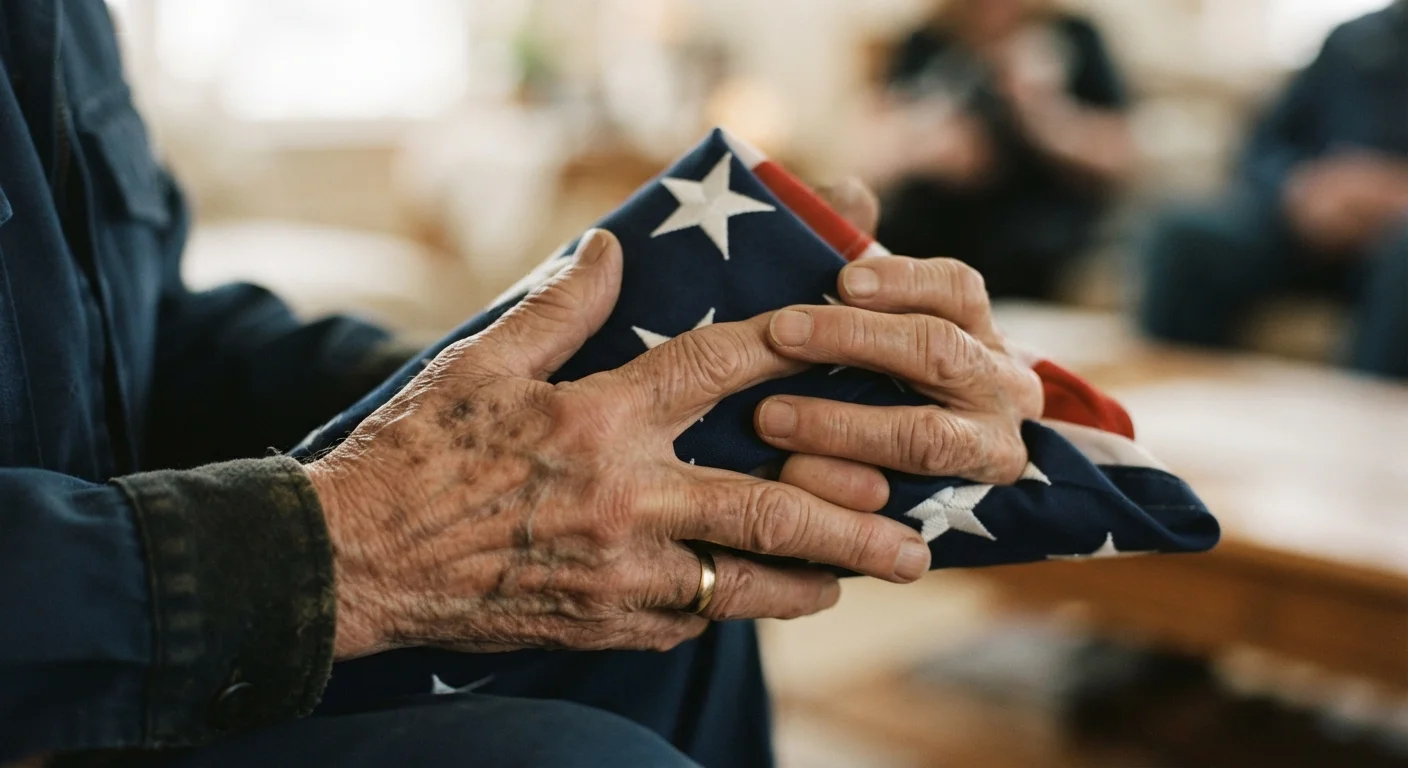
The VA provides burial benefits to eligible veterans including burial in a national cemetery at no cost, a grave marker, a burial flag, and a Presidential Memorial Certificate. For veterans who choose a private cemetery, the VA may provide a burial allowance toward certain costs, subject to eligibility conditions.
Spouses and dependents of eligible veterans may also qualify for burial in a national cemetery. Planning ahead and informing family members of these benefits can prevent confusion and unnecessary expense later. The National Cemetery Scheduling Office manages requests and can be reached through the VA.
Burial in a national cemetery at no cost is available to eligible veterans, with benefits extending to spouses.
Veterans and their families can also find information on overlapping programs through resources like federal and state programs for seniors, which covers assistance with utilities, prescriptions, food, and housing costs.
How to get help applying
The VA application process can feel complicated, but free help is available. VSOs such as the American Legion, Disabled American Veterans (DAV), and Veterans of Foreign Wars (VFW) have accredited claims agents who can review your service records, identify eligible programs, and submit paperwork on your behalf. These services cost nothing.
Veterans who need ongoing care at home or are weighing a transition to a facility may want to read about in-home care vs. assisted living to understand how VA benefits might interact with different care settings. Families researching long-term financing options can also review common myths about Medicaid and long-term care to separate fact from misconception before making decisions.
Start with your discharge paperwork
Most VA benefit applications require a copy of the DD-214, the document that records a veteran's discharge from active duty. Veterans who cannot locate their DD-214 can request a copy through the National Archives' eVetRecs system at no cost. Having this document ready before applying can reduce processing time significantly.