


How bundle pricing actually works
A bundle groups two or more home services under one contract and one bill. Providers structure them as a discount off the combined standalone rates, but the discount usually applies only during a promotional window. Once that window closes, each service moves to its regular price, and the savings disappear.
Before accepting a bundle offer, request the itemized price for each service individually, then add them up. Compare that sum to the bundle price at both the promotional rate and the post-promotion rate. This two-column comparison is the only reliable way to see whether the bundle is genuinely cheaper, and for how long.
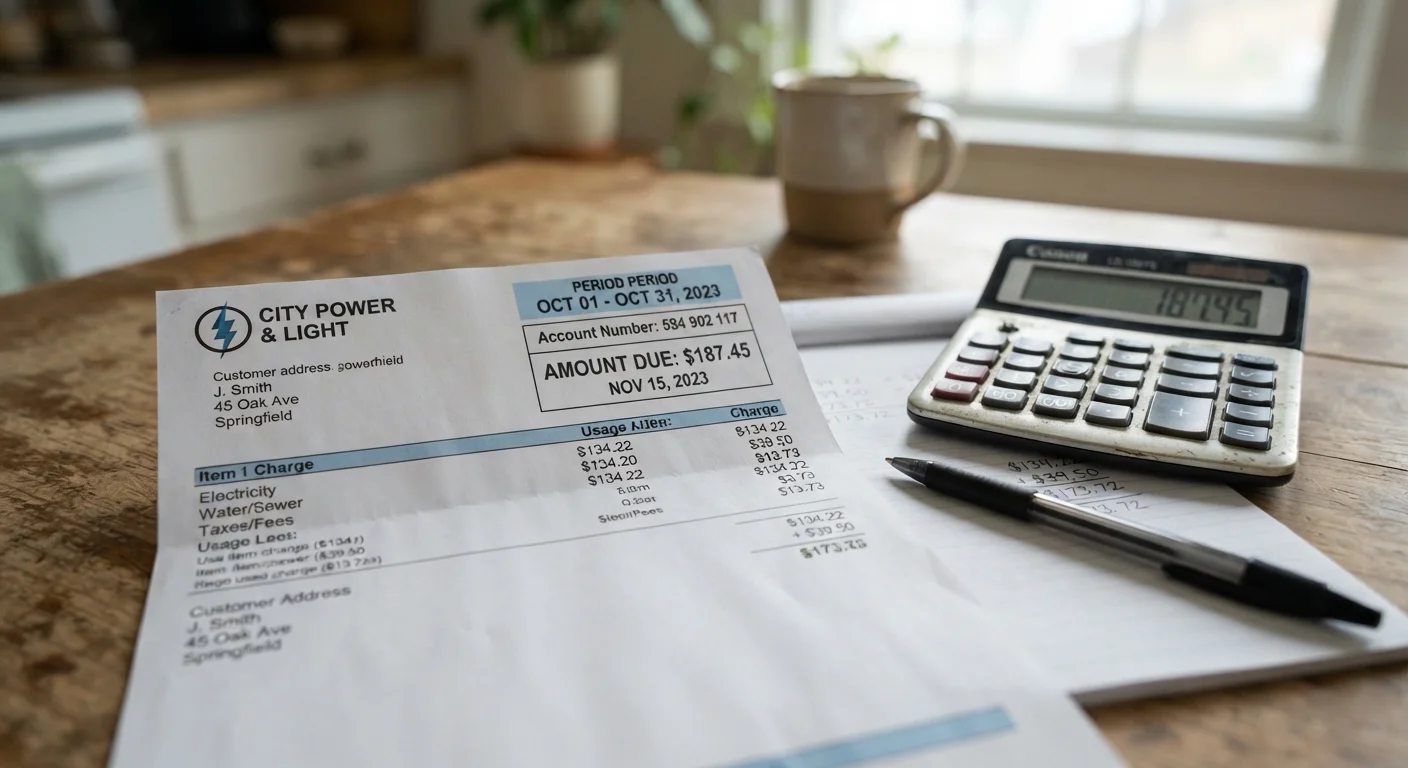
Taxes, regional fees, and equipment rental charges are frequently excluded from advertised bundle prices. A $99-per-month headline rate can become $130 or more once those are added. Ask for the all-in monthly total in writing before signing.
What 'triple play' means
The term 'triple play' refers to a single provider offering internet, cable or satellite TV, and telephone service under one monthly charge. Some providers also offer a 'quad play' that adds mobile phone service. These bundles are sold primarily by cable, fiber, and satellite providers across the U.S.
When a bundle can work in your favor
One bill instead of multiple separate statements
A single monthly payment covers all three services, which reduces the chance of missing a due date and simplifies tracking household expenses.
Introductory pricing can reduce costs in year one
Providers commonly offer a promotional rate when all three services are packaged together, which can be meaningfully lower than paying for each service at its standard rate during that period.
Single customer service contact for all three services
When something goes wrong, you call one number rather than coordinating with separate companies, which can save time during outages or billing disputes.
Equipment fees are sometimes consolidated
Some providers include modem rental or set-top box fees within a bundled rate rather than itemizing them separately, making the total slightly easier to parse.
Bundles tend to make financial sense under a specific set of conditions: you use all three services regularly, you plan to stay at your address through the contract term, and the post-promotion rate is still competitive with what you would pay buying each service separately. If those three conditions hold, the single-bill convenience and the promotional savings are real.
Seniors or households that rely on a landline for medical alert systems or in areas with unreliable cell coverage may find that keeping phone service as part of a bundle costs less than maintaining it standalone. For budgeting purposes, reviewing recurring charges periodically can help you catch when a promotional rate has expired.
When a bundle costs more than it saves
Promotional rates expire, often sharply
After the introductory period, typically 12 to 24 months, each service reverts to its standard rate. The combined increase can be $30 to $60 per month or more, depending on the provider and market.
You pay for services you may not use
A triple-play bundle usually includes a landline phone and a large TV channel package. Households that stream video and have abandoned the landline are paying for capacity they do not use.
Contracts create early termination exposure
Many bundles require a one- or two-year contract. Leaving early means paying an early termination fee (ETF), which can range from $10 per remaining month to a flat fee of $200 or more.
A single outage affects all three services at once
Because internet, phone, and TV flow through one provider's infrastructure, a line cut or equipment failure can leave a household without any of them simultaneously.
Comparing true cost is deliberately difficult
Bundle offers often omit taxes, equipment fees, and regional surcharges from the headline price, making side-by-side comparisons with standalone services harder to do accurately.
The most common scenario where a bundle works against you: you are paying for a full TV channel package but watching content primarily through streaming apps. In that case, the TV portion of the bundle adds $60 to $90 per month to your bill for channels you do not open. Removing it and buying internet service alone is often cheaper, even at the standalone rate.
Contract terms also matter more than they appear at signing. If you move, downsize, or want to switch providers before the term ends, an early termination fee can erase months of savings. Switching home service providers involves more friction than most households anticipate, including equipment returns and service gaps that are worth understanding before you commit.
What to check before committing
Four questions help clarify whether a bundle is worth taking:
- What is the monthly cost after the promotional period, including all fees and taxes?
- What is the contract length, and what is the early termination fee?
- Do you currently use, or expect to use, all three services in the package?
- Are faster internet tiers or more channels available only through a higher-tier bundle that adds cost without adding value to your household?
Bundling home services follows similar logic to bundling insurance policies: the combined offer can be convenient and occasionally cheaper, but only when both products in the package are genuinely needed. Paying for coverage or channels you skip does not produce savings regardless of how the discount is framed.
If your spending on recurring services has drifted upward without a clear reason, a budget review can help you see where a bundle's post-promotion increases may have slipped through unnoticed.