

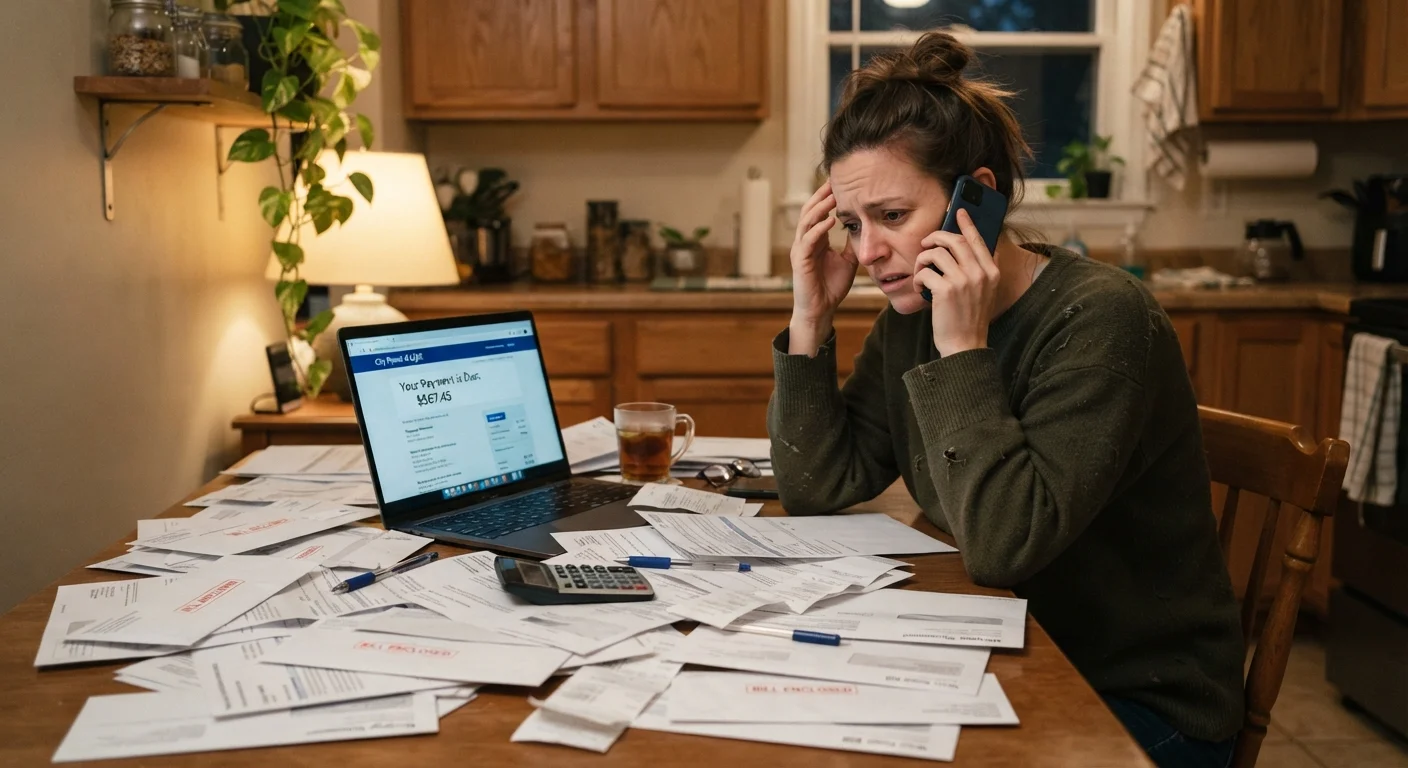
Why switching feels simpler than it is
Switching a home service, whether internet, TV, home security, or a utility, looks straightforward from the outside: find a better option, call to cancel, sign up with the new provider. The reality involves contracts, equipment, billing cycles, and scheduling that rarely sync up the way you expect.
The friction is not random. It comes from specific, predictable points in the process that most households run into only after the decision is already made. Knowing those points before you make the call lets you plan around them instead of reacting to them.
If you are also setting up services for the first time, the new home service setup checklist covers what to arrange before move-in day, which can help you avoid compounding these problems with a fresh setup at the same time.
Common mistakes to avoid when switching providers
Canceling before reading the current contract's termination terms.
Why it happens: Most people sign contracts at setup and never look at them again. When a better deal appears, the impulse is to call and cancel right away.
Leaving a service gap between the old provider shutting off and the new one going live.
Why it happens: Households focus on getting the new service scheduled and assume the transition will be seamless. Installation windows, equipment shipping, and technician availability can all push the start date back.
Missing the equipment return window after cancellation.
Why it happens: Providers often send a return kit by mail days after cancellation, and the return deadline can be as short as 10 to 14 days. During a move or busy period, the box gets set aside.
Assuming a bundle cancellation affects only one service.
Why it happens: Promotional bundle pricing is presented as a single monthly total, so many customers do not realize each individual line price changes if the bundle breaks.
Missing the auto-renewal window and getting locked into another contract term.
Why it happens: Contracts often auto-renew 30 to 60 days before the term ends, with a short cancellation notice window. The notification, if one is sent at all, can be easy to overlook.
Not confirming the final bill amount and disputing timeline before switching.
Why it happens: Billing cycles rarely align with cancellation dates, so prorated charges, outstanding balances, or one-time fees can appear after service ends. Many customers do not expect a bill after they have already switched.
Switching car insurance follows a similar pattern of missed windows and coverage gaps. The checklist for switching car insurance policies walks through the timing steps that prevent you from being unprotected between policies, and much of the same logic applies to home services.
What to check before you make the call
Before contacting your current provider, gather three things: your contract or service agreement, your most recent bill, and the account number. The contract tells you the termination terms. The bill shows your current billing cycle dates, which affect how prorating will work. The account number speeds up any dispute process later.
If you cannot locate your original contract, log into your account portal or call customer service and ask for the contract terms on file, including the end date and any ETF amount. Providers are required to give you this information.
Verbal cancellation confirmations are not enough
When you cancel by phone, ask for a written confirmation of the cancellation date, the final bill amount, and the equipment return instructions. A reference number alone may not protect you if a billing dispute comes up later. Email confirmation or an account portal record is more reliable than a call note.
For a broader look at where your home service costs actually come from, the room-by-room utility bill breakdown explains what drives each line of a typical household bill, which can help you evaluate whether switching will genuinely change your total costs.