


Booking structure terms
These terms describe how a trip is built as a reservation record, before any pricing or flexibility rules apply.
- PNR (Passenger Name Record)
- A six-character alphanumeric code tied to a reservation. Airlines and hotels use it to retrieve, modify, or cancel a booking.
- Itinerary
- The complete list of segments, dates, times, and locations that form one trip record.
- Segment
- A single flight leg within a multi-leg itinerary.
- Layover
- A connection under 24 hours between two flights at an intermediate airport.
- Stopover
- A connection of 24 hours or more; several international fare types permit one at no added cost.
- Positioning flight
- A flight booked solely to reach the departure city for the main trip, not as part of the primary journey.
- Hub airport
- An airport an airline designates as its primary routing center for connections across its network.
- Interline agreement
- An arrangement between two carriers that lets passengers check bags through and transfer between airlines on a single ticket.
Fare and pricing terms
These terms appear in fare search results, booking flows, and the fare rules documents attached to any ticket. See how booking channels affect the fares you see for context on where these rules apply.
- Fare class
- A single letter (such as Y, K, or Q) that sets a ticket's price tier, change rules, and miles earned per segment.
- Bucket pricing
- Seats within a cabin released in price groups; lower-priced buckets sell first and close as they fill.
- Dynamic pricing
- Fares that adjust in real time based on current demand and days remaining before departure.
- Saver fare
- A discounted ticket with narrow windows for changes or cancellations.
- Mixed-cabin itinerary
- A booking where different legs are in different cabins, such as economy on one flight and business on another.
- Fuel surcharge (YQ)
- A carrier-imposed fee billed on top of the base fare; it is often not waivable when redeeming miles.
- Ancillary fee
- Any charge added after the base fare: checked bags, seat selection, or priority boarding.
- Base fare
- The core ticket price before taxes, government fees, and surcharges are applied.
Flexibility and cancellation terms
These terms define what happens to a booking when plans change. For a practical breakdown of when flexibility is worth paying for, see how refundable and non-refundable fares compare.
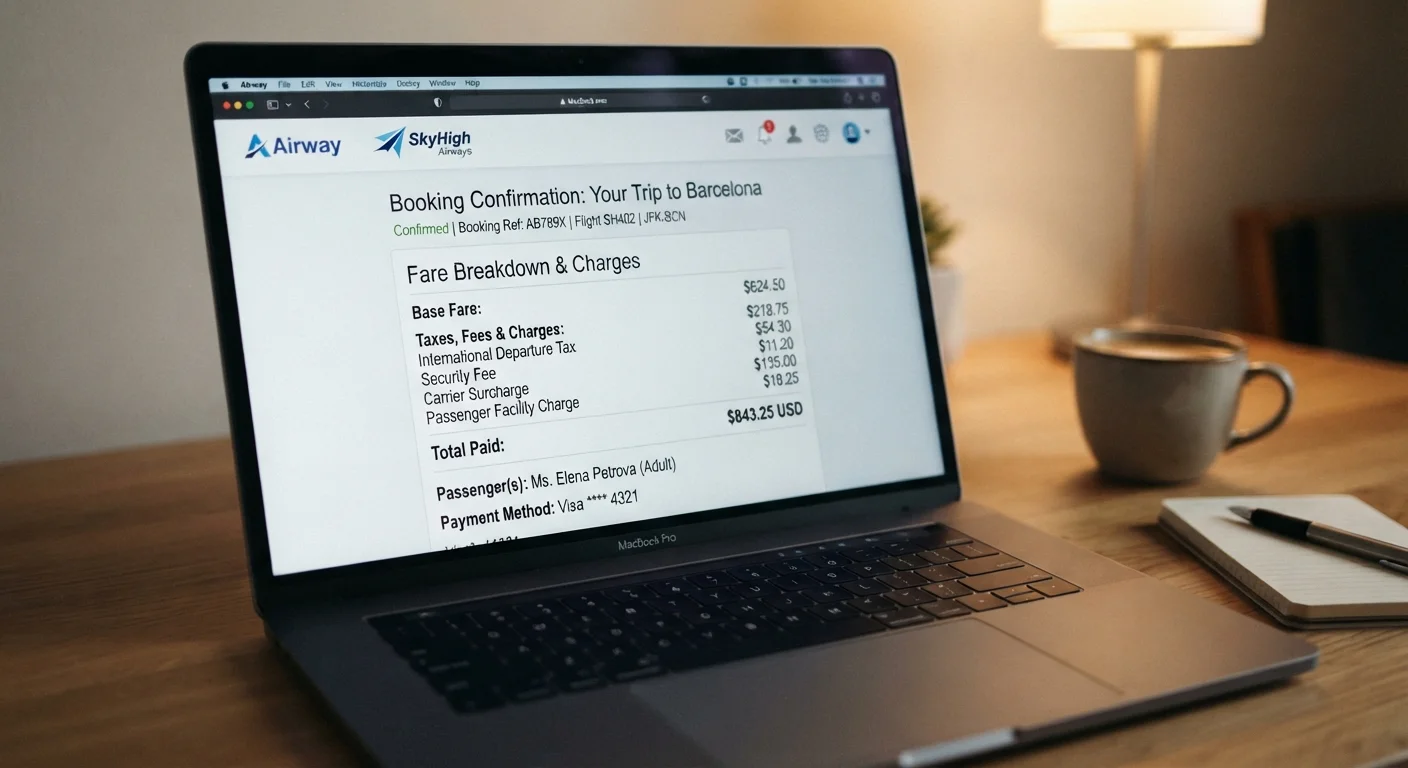
- Non-refundable ticket
- A ticket where the base fare is forfeited on cancellation; taxes are usually returned to the original payment method.
- Travel credit
- Carrier-issued value from a canceled ticket, applied toward a future booking on that airline within a set validity window.
- Force majeure
- An event outside anyone's control that may entitle travelers to refunds or waivers under a carrier or insurer's stated terms.
- Schedule change
- An airline-initiated change to flight times or routing after the original booking date, which often triggers rebooking rights.
- Voluntary change
- A modification the traveler requests; typically subject to a change fee unless the fare rules waive it.
- Revalidation
- An update to a ticket's records following a carrier-initiated schedule change, without fully reissuing the ticket.
- Trip delay benefit
- A travel insurance provision reimbursing meals and lodging when a covered delay exceeds a set threshold, often six hours.
- Rebooking fee waiver
- A carrier policy allowing ticket changes at no charge, generally issued during weather events or mass service disruptions.
Loyalty, rewards, and status terms
These terms apply when managing a loyalty account, redeeming points, or working toward a status tier. For a full walkthrough of how programs accumulate and value points, see how travel rewards programs work. Applying the right vocabulary also connects to broader personal finance decisions, since many points programs are tied to credit cards.
Fare basis code
A full alphanumeric string encoding all rules attached to a ticket: routing restrictions, advance purchase requirements, minimum stay, and penalties. It appears on ticket records and fare rules documents.
CFAR (Cancel for Any Reason)
A travel insurance upgrade allowing a traveler to cancel a trip for any reason and receive a partial reimbursement, typically 50 to 75 percent of prepaid, nonrefundable costs.
Award availability
The inventory of seats or rooms an airline or hotel makes accessible for redemption using loyalty points or miles. It is managed separately from paid-fare availability and can be much more limited.
Open-jaw itinerary
A trip where the outbound and return flights do not share the same origin or destination city, such as flying into Chicago and departing from Milwaukee.
Travel waiver
A temporary exception issued by an airline or hotel during a named disruption, such as a severe weather event, that allows fee-free changes or cancellations within a defined window.
Codeshare flight
A flight operated by one airline but marketed and sold under a second airline's flight number. The operating carrier handles the actual service; the marketing carrier sells the ticket.
IROP (Irregular Operations)
An airline term for any unplanned disruption to scheduled service, including mechanical delays, weather cancellations, and crew shortages. IROP status typically triggers rebooking rights.
Yield management
The practice airlines use to price seats dynamically, adjusting fares based on current demand, booking pace, and time remaining before departure.
- Elite qualification
- The accumulation of flights, miles, or spending required to reach a status tier within a loyalty program during a calendar or membership year.
- Mileage run
- A trip taken primarily to earn miles or qualify for status, with the destination being secondary to the earning opportunity.
- Points transfer
- Moving loyalty currency from a credit card program to an airline or hotel program, usually at a fixed ratio set by both parties.
- Saver award
- A lower-cost redemption tier requiring fewer points or miles, with restricted availability.
- Standard award
- A higher-cost redemption tier that has broader seat or room availability than a saver award.
- Waitlist upgrade
- An upgrade request fulfilled only if unsold seats in a higher cabin remain near departure.
- Revenue ticket
- A paid ticket, as opposed to one booked using points or miles.
- Status match
- A process where one loyalty program grants equivalent status to a traveler who can document standing in a competing program.
This article is for general informational purposes only. Carrier policies, fee structures, loyalty program rules, and insurance coverage terms vary by provider and can change. Verify current rules with each provider before booking, and consult a licensed travel insurance professional for questions about specific coverage.