


What the choice actually comes down to
The decision between booking directly with an airline or hotel and using a third-party platform is not a single choice that applies to every trip. It depends on whether you have a loyalty program worth protecting, how much flexibility you need, and how you plan to handle problems if they arise.
Both channels book the same seat on the same plane or the same room in the same hotel. The differences show up in price transparency, service access, and what happens when something changes. Understanding fare flexibility is a separate but related decision that interacts with this one: a non-refundable rate booked through a platform can be particularly difficult to modify.
Full loyalty credit with no conditions
Airlines and hotel chains award points or miles at their standard rate when you book on their own site or app. Many programs reduce or exclude earning on third-party reservations, particularly discounted rate categories.
Faster, simpler service recovery
If a flight is canceled or a room becomes unavailable, the provider's own agents can act immediately. Third-party bookings often require the platform to authorize changes first, which adds time during high-pressure moments.
Transparent pricing at checkout
Direct booking sites typically display all taxes and fees early in the process. Surprises at the final screen are less common than on some platforms that add service fees late in checkout.
Access to exclusive direct-only rates
Many hotel chains have introduced member rates that are only visible when you book through their own channel. These rates can match or undercut platform prices without requiring a loyalty elite status.
Where third-party platforms fall short
Platforms are convenient research tools, but that convenience has real costs in specific situations.
No side-by-side comparison in one place
Checking prices across five airlines or a dozen hotels requires opening multiple tabs. Platforms consolidate that work, which saves time during the research phase.
Direct sites do not always show the lowest fare
Occasionally, platforms negotiate bulk inventory or display promotional fares that do not appear on the carrier's own site, particularly for international routes or smaller regional carriers.
Loyalty programs require ongoing engagement
The direct-booking advantage is meaningful only if you travel with one brand consistently. Infrequent travelers who spread bookings across multiple brands accumulate points too slowly to redeem them for meaningful value.
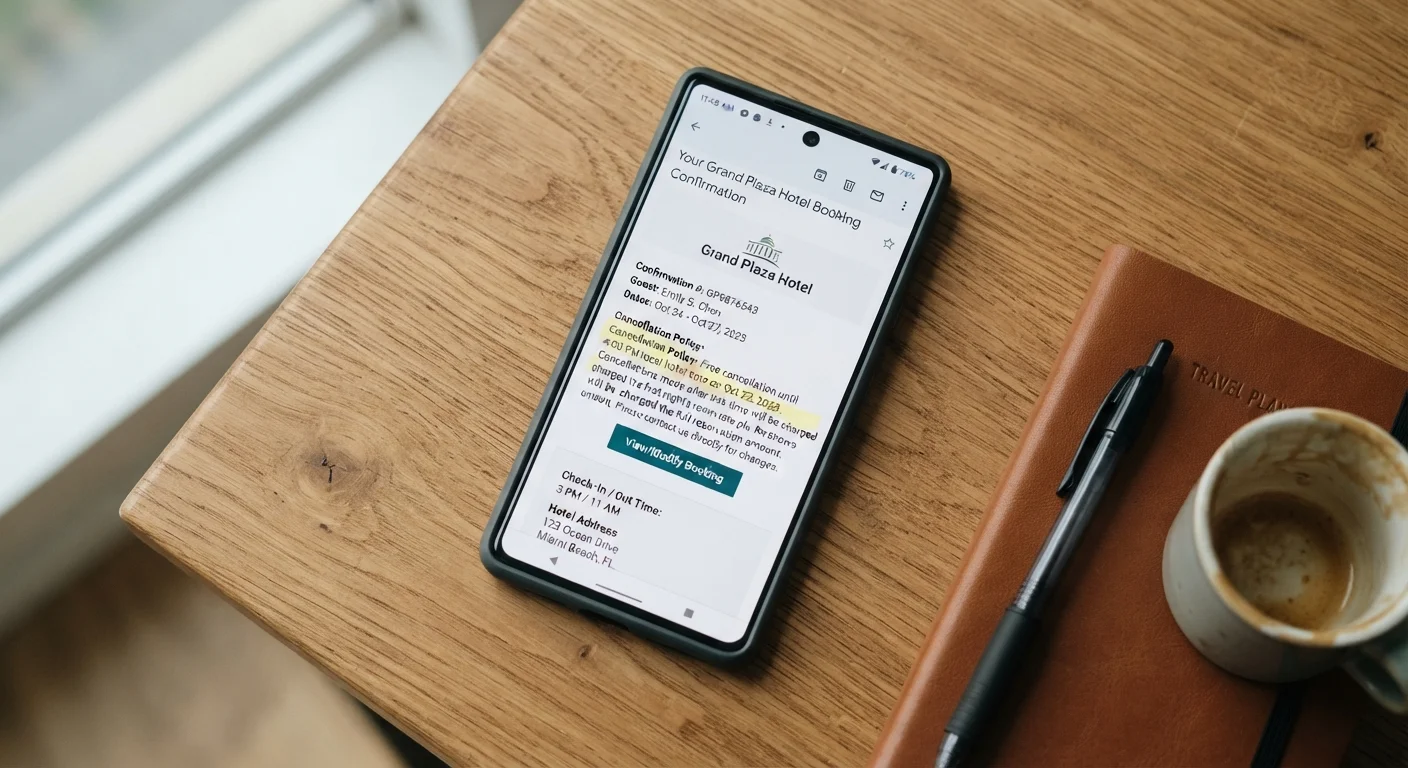
When airlines oversell flights or hotels walk guests to another property, the provider's own agents handle direct customers first. Platform customers must often contact the platform's support line, which then contacts the provider, which slows the resolution. During weather events or operational disruptions, that delay matters.
Service fees are the other friction point. Some platforms charge per-booking fees that are not disclosed until the final payment screen. A rate that looked competitive at the search stage may be less so after those fees are added. Reading the full price breakdown before entering payment details is a necessary step regardless of which channel you use.
Platform terms vary widely
Third-party booking platforms are not all structured the same way. Some act as the merchant of record, meaning you pay them and they pay the hotel. Others pass the booking through to the provider. The distinction matters for refunds and dispute resolution. Check the platform's terms before confirming a reservation, and see our traveler's glossary for definitions of terms you may encounter.
How loyalty programs change the math
If you travel frequently with one airline or stay regularly with one hotel group, loyalty program earnings can shift the value calculation in favor of direct booking. Points and miles earned on direct bookings accumulate at the full advertised rate. Many programs assign a reduced earning rate to bookings made through third-party channels, and some exclude them altogether.
For travelers who are actively building toward a free night or award flight, that difference adds up. For someone booking one trip a year without a preferred brand, the loyalty consideration carries less weight. Comparing airline miles and hotel points can help clarify which type of loyalty currency is worth prioritizing based on how you travel.
The practical approach for most travelers is to use a platform to identify the fare range and available options, then check the provider's direct site before confirming. If the prices are close and you have a loyalty account with the provider, booking direct is generally the simpler path. Consistent booking habits built around one or two preferred programs tend to produce more usable rewards than spreading bookings across many providers.
~30%
Hotel bookings made via third-party platforms
According to data from the American Hotel and Lodging Association, roughly 30 percent of hotel room nights in the US are booked through online travel agencies rather than direct channels.
Up to 10%
Loyalty rate discount available direct
Several major hotel chains have publicized that their loyalty member rates, available only through direct booking, can run up to 10 percent below rates listed on third-party sites.