

What these programs actually are
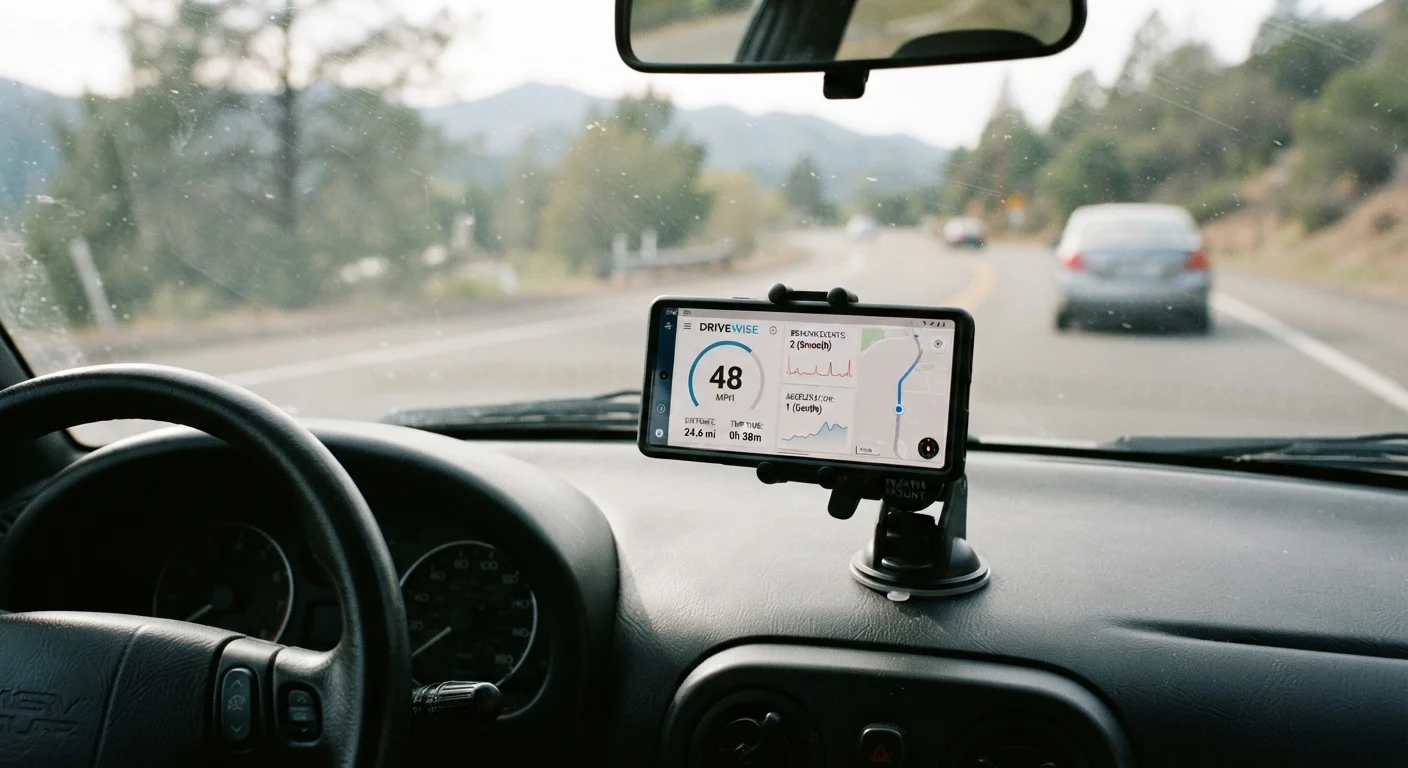
Usage-based insurance (UBI) is a broad category that covers any program where an insurer uses real driving data to set or adjust a premium. Pay-per-mile is a specific type within that category: your bill consists of a fixed base rate plus a per-mile charge for every mile driven during the billing period.
Most other telematics programs work differently. Instead of counting miles directly, they monitor driving behavior over a set period, typically 90 days to six months, and then apply a discount or surcharge at renewal based on what the data shows. The two approaches often get grouped together in conversations about UBI, but they have different math behind them.
If you are new to shopping for coverage, the practical walkthrough for first-time buyers covers the broader process of comparing policies and reading the fine print before you commit.
How the data gets collected
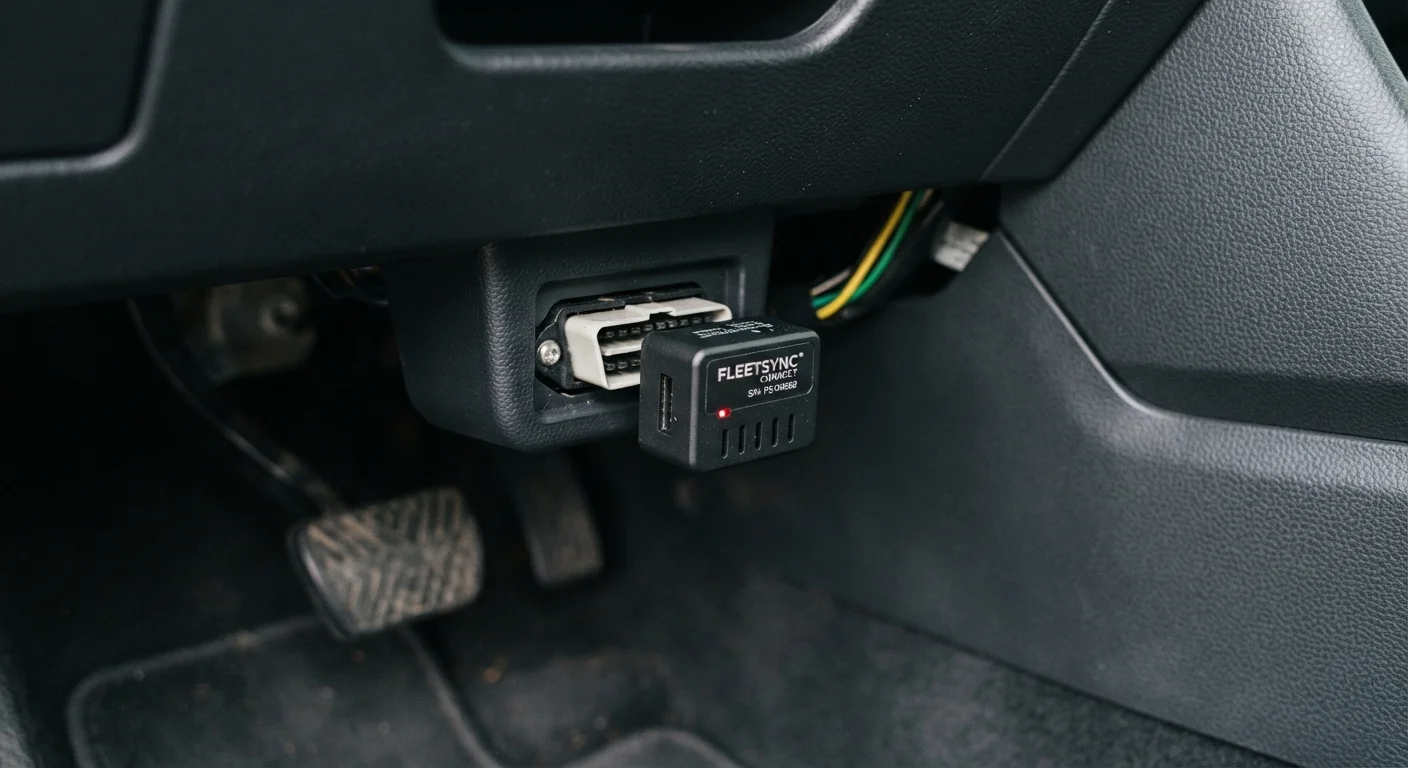
Insurers use two main methods: a plug-in device and a smartphone app. The plug-in device connects to the OBD-II diagnostic port found on most vehicles made after 1996, usually located under the steering column.
Smartphone apps use the phone's GPS, accelerometer, and gyroscope to track the same variables without additional hardware. Both methods record speed, acceleration, braking force, and time of day. Some programs also log cornering behavior. Location data is generally collected as part of trip tracking, though how long it is retained and who can access it differs by insurer.
Driving at night, particularly between midnight and 4 a.m., is weighted negatively in many scoring models because that window carries higher statistical crash risk. Drivers with irregular schedules, shift workers, or anyone who routinely drives late should factor this into their decision.
This is general information, not personalized advice
The details here describe how usage-based and pay-per-mile programs typically work in the U.S. market. Coverage terms, pricing structures, data practices, and program availability vary by insurer and by state. Read the specific program terms before enrolling, and speak with a licensed insurance agent if you have questions about your own policy.
Who tends to benefit
Premiums can reflect actual driving behavior
Standard auto insurance pricing relies heavily on demographic factors like age, zip code, and credit history. Telematics programs let a driver's own record behind the wheel carry more weight in the final rate.
Low-mileage drivers may pay less
Pay-per-mile programs are structured so that someone driving 4,000 miles a year pays proportionally less than someone driving 15,000. Drivers who retired, work remotely, or use a second car sparingly often find this structure lines up well with their situation.
Real-time feedback can improve habits
Most telematics apps score individual trips and flag hard braking or rapid acceleration events. Some drivers find this feedback useful for becoming more consistent, which can also improve their score over time.
Sign-up discounts are common
Many insurers offer a small discount just for enrolling in a telematics program, before any driving data is even collected. This can provide some immediate rate relief while the monitoring period begins.
The clearest fit is a low-mileage driver with predictable, daytime habits. Someone who works from home and uses their car only for errands, or a retired driver who no longer commutes, will likely see a pay-per-mile structure work in their favor.
Safe driving habits matter just as much as mileage in behavior-based programs. A driver who avoids hard braking, keeps steady speeds, and drives mainly during daylight hours will typically score well through a monitoring period. These programs can also work for a young driver willing to demonstrate safe behavior rather than accept the high rates that come with age-based pricing alone.
For a sense of what other factors insurers use to set rates, the article on how credit scores affect auto insurance rates explains another common pricing variable that operates separately from telematics.
Where these programs fall short
Poor scores can raise your rate
Enrollment does not guarantee savings. If the monitoring period reveals frequent hard braking, late-night driving, or high speeds, some insurers can increase premiums at renewal based on that data.
Data collection raises privacy concerns
Telematics programs gather location, speed, and behavioral data continuously. Depending on the insurer's terms, that data may be shared with third parties or used in ways beyond rate-setting. Reading the program's data-use policy before enrolling matters.
High-mileage drivers rarely benefit
Pay-per-mile pricing penalizes frequent drivers by design. A driver with a long daily commute will likely pay more under a per-mile structure than under a traditional flat-rate premium.
Device or app reliability can be inconsistent
Plug-in dongles occasionally lose connection, and mobile apps depend on phone battery and GPS accuracy. Data gaps or errors during a monitoring period could affect how the insurer evaluates your driving.
Not available in every state
State insurance regulations vary, and some telematics or pay-per-mile products are not approved in every market. Availability depends on your state and which insurers operate there.
A long daily commute makes pay-per-mile programs expensive by design. If you drive 20,000 miles a year, the per-mile charge accumulates quickly and will generally exceed what a standard policy would cost.
Privacy is the other practical concern. Unlike the credit-based insurance score process, which uses data you can access through a credit report, telematics data is controlled entirely by the insurer. Understanding how that data is stored, shared, and retained is worth doing before you enroll, not after.
Some drivers also find that bundling policies is a more predictable way to manage costs. The article on how bundling home and auto insurance affects coverage walks through what that trade-off looks like in practice.
This article is for general informational purposes only and does not constitute personalized insurance, financial, or legal advice. Coverage terms, program availability, and pricing vary by insurer and state. Consult a licensed insurance agent for guidance specific to your situation.