

What these add-ons actually cover
Rental reimbursement pays for a temporary rental vehicle while your car is being repaired after a covered claim. Most policies attach a daily dollar limit, commonly between $30 and $50 per day, and a cap on total days. If the repair runs long or the rental rate in your area runs high, you may owe the difference out of pocket.
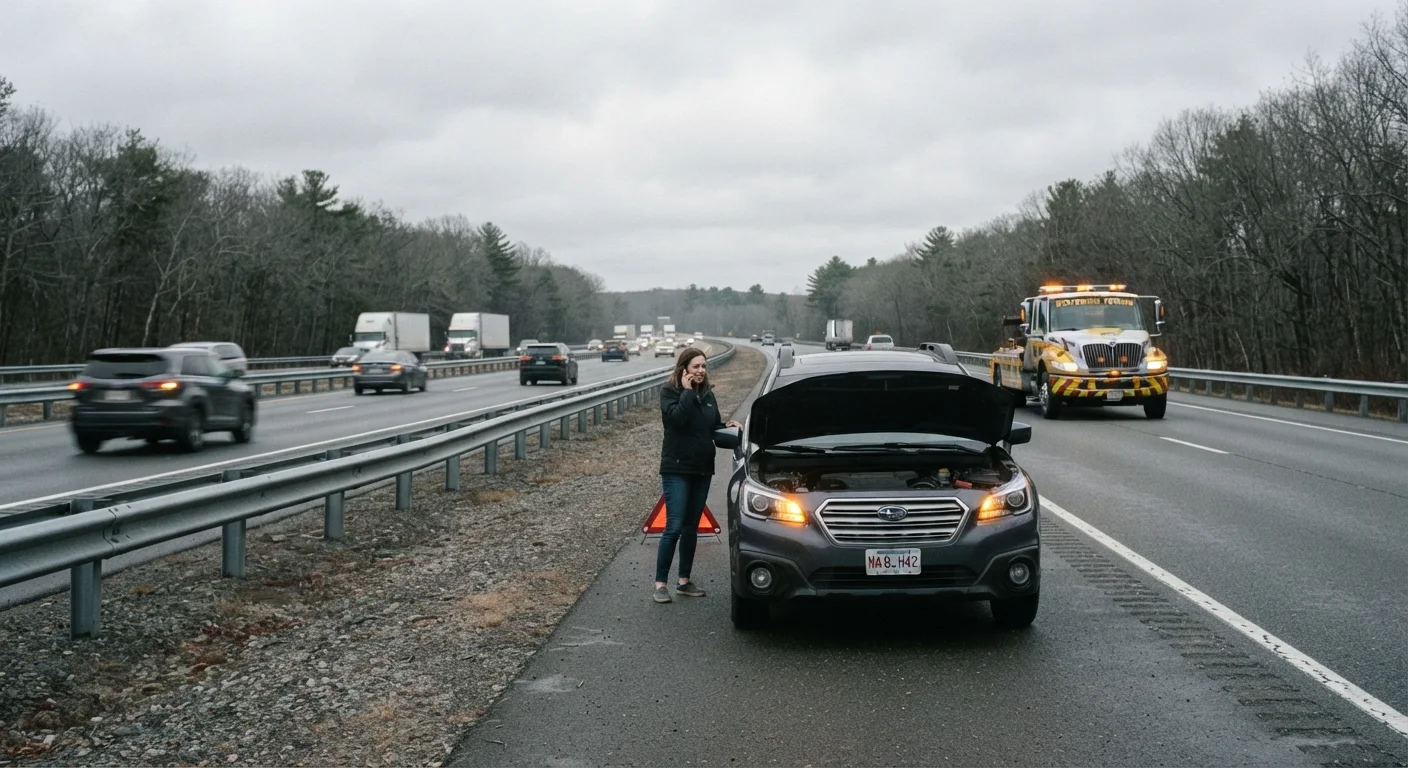
Roadside assistance covers services like towing, battery jump-starts, flat tire changes, lockout help, and fuel delivery when you run dry. Unlike a standalone auto club membership, this coverage is tied to the insured vehicle rather than to you as a driver, so it typically does not follow you into a rental or a borrowed car.
Neither add-on is required by any state, and neither applies unless you already carry comprehensive and collision coverage. A liability-only policy generally cannot support them because there is no covered repair event to trigger rental reimbursement, and roadside assistance is simply sold as a separate endorsement.
Pros of carrying both add-ons
Low monthly cost relative to potential claim expense
A rental reimbursement add-on typically costs a few dollars a month, while a week-long rental during a covered repair can run several hundred dollars total. The cost-to-benefit ratio is straightforward when a claim actually occurs.
Rental coverage removes a major disruption after an accident
Without a replacement vehicle, a claim that keeps your car in the shop for days can affect your ability to get to work or handle daily responsibilities. Rental reimbursement reduces that disruption directly.
Roadside assistance is available around the clock
A dead battery or flat tire at midnight on a rural road is not a situation where delayed help is acceptable. Having dispatch tied to your policy means one phone number handles the event without sorting out reimbursement later.
Both add-ons are easy to drop if your situation changes
Unlike core liability or collision coverage, these are optional endorsements that can usually be added or removed at renewal without penalty, giving you flexibility as your vehicle or coverage needs shift.
If you are re-evaluating your full policy, the switching car insurance checklist covers how to compare coverage line by line without leaving gaps during the transition.
Cons and coverage overlaps to watch for
Daily rental caps may not match local market rates
A $30-per-day limit made sense in a lower-cost rental environment, but rates in many cities now exceed that by a wide margin. The gap between the policy cap and the actual bill becomes the driver's expense.
Roadside coverage is vehicle-specific, not driver-specific
If you drive a spouse's car, a rental, or a borrowed vehicle when your own car breaks down, your insurer's roadside add-on typically does not apply. A standalone auto club membership travels with you regardless of the vehicle.
Significant overlap with credit card and auto club benefits
Many credit cards and manufacturer warranties include roadside dispatch and rental coverage as standard benefits. Carrying the same protection through your auto policy means paying for coverage you may never be able to use exclusively.
Rental reimbursement only applies to covered claims
If your car is in the shop for a mechanical failure unrelated to an insured event, rental reimbursement does not apply. Drivers who factor in routine maintenance downtime may overestimate how often this add-on would actually pay out.

Overlap is the main reason drivers end up paying for coverage they cannot fully use. Many travel rewards credit cards include primary or secondary rental car protection and 24-hour roadside dispatch. If you hold one of those cards and consistently use it when renting or fueling up, the insurance add-on may duplicate what you already have. Check the card's benefits guide, not just the marketing summary, to confirm what is actually included and under what conditions.
Drivers enrolled in telematics programs should also read the fine print. Usage-based and pay-per-mile programs sometimes bundle roadside assistance as part of the program, so adding it separately through your base policy would mean paying twice.
How to decide whether each one is worth it
Start by listing every source of roadside and rental coverage you already have: credit cards, a manufacturer's roadside warranty, any auto club membership, and your employer's travel benefits if applicable. For each source, note the actual limit, not just whether it exists.
Then compare that against what your insurer charges for the add-on. Roadside assistance through an insurer typically runs a few dollars a month. Rental reimbursement costs a bit more and scales with the daily limit you choose. If your only car is out of commission for a week and your rental reimbursement cap is $30 a day in a market where compact cars run $60, the math matters before a claim occurs, not after.
Vehicle age is another factor. An older car with high mileage is more likely to need a tow than a vehicle still under a powertrain warranty. If your car is newer and the manufacturer provides roadside coverage for several years, adding it through your insurer during that window adds little value.
Bundling your home and auto policies can also change the calculation, since some bundled policies include add-ons that are priced separately on standalone auto coverage. Review the full policy schedule rather than relying on a verbal summary from an agent.
This article is for general informational purposes only and is not personalized insurance, financial, or legal advice. Coverage terms, exclusions, and pricing vary by insurer and by state. Read your actual policy documents and consult a licensed insurance agent before making changes to your coverage.