


What aging in place actually means
Aging in place refers to living in your own home as you grow older, adapting the environment and support around you rather than relocating to a facility. For many people, it is the default plan rather than a conscious choice, which is part of why families benefit from thinking it through deliberately.
The decision is not permanent. Some people age in place successfully for decades; others find that health changes eventually make a different arrangement more practical. Understanding the tradeoffs now makes it easier to plan thoughtfully and adjust when circumstances shift.
For families weighing this against other paths, our comparison of in-home care and assisted living walks through costs, daily life, and care needs side by side.
The real advantages
The case for aging in place rests on more than sentiment. Independence, familiarity, and control over daily life carry genuine weight for a person's well-being.
Staying in a familiar environment supports well-being
Long-term familiarity with a home, neighbors, and neighborhood routines can reduce stress and support a sense of stability. Many older adults report that staying home connects them to their personal history in ways that matter.
Greater control over daily routines
Aging in place means setting your own schedule for meals, sleep, activities, and visitors without conforming to facility-wide policies. That autonomy tends to matter more as people age.
May be less expensive in early years
For someone who needs minimal or no personal care, remaining at home with modest modifications can cost less than assisted living, which can run several thousand dollars per month depending on location and services.
Access to established community ties
Longtime neighbors, local religious communities, and familiar shops provide a social fabric that takes time to rebuild after a move. Staying put preserves those connections without effort.
Cost comparisons require care, though. The cost advantage of staying home depends heavily on how much care a person eventually needs. A homeowner with low care needs and a paid-off home is in a different position from someone paying rent and requiring daily assistance.
The genuine challenges
The difficulties of aging in place are real and worth examining directly. They do not make staying home the wrong choice, but overlooking them leads to poor planning.
Home modifications can be costly
Grab bars, ramp installations, widened doorways, and stair lifts each carry real price tags. A comprehensive home safety assessment often reveals more modifications than families initially anticipate.
Isolation risk without active planning
Driving limitations, health changes, and the loss of peers over time can shrink a person's social world quickly. Social isolation carries well-documented health consequences for older adults.
Coordinating care becomes complex
Managing multiple providers, such as a home health aide, a visiting nurse, and transportation services, falls to the older adult or their family. Without clear organization, gaps in care can develop. See our guide to evaluating home care agencies before hiring anyone.
Medicare coverage has clear limits
Medicare Part A and Part B cover some skilled home health services, but they do not cover ongoing personal care or housekeeping. Many people underestimate how quickly out-of-pocket costs can grow.
Safety risks increase with health changes
Falls, medication errors, and delayed emergency response are more likely at home than in a setting with staff present around the clock. A home that worked well at 70 may present real hazards at 82.
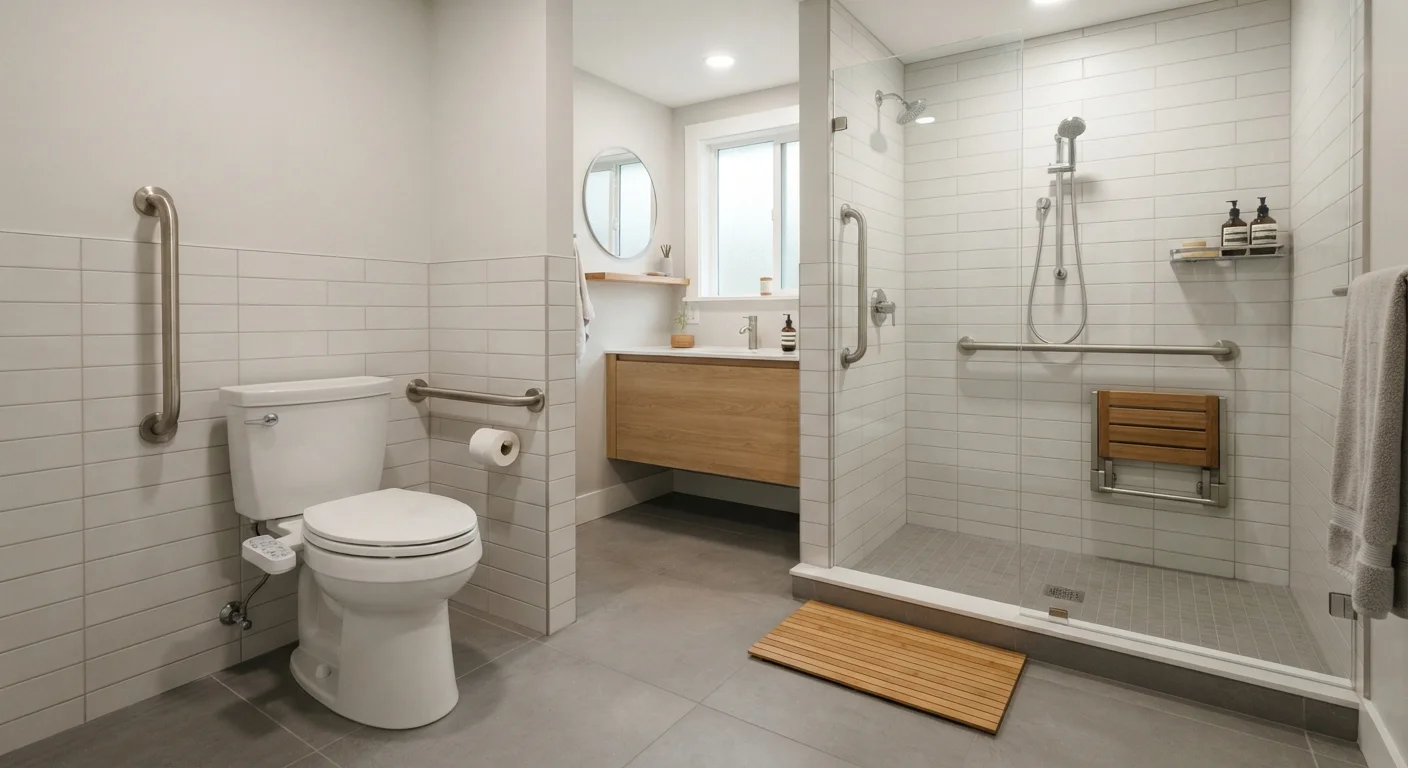
Physical changes to the home are often the first thing families address, but the coordination of care over time tends to be the harder management challenge. Connecting with a social community is equally worth planning for. Our overview of social connection research for older adults covers this area in more depth.
How to think about the numbers
77%
Adults 50+ who want to age in place
According to AARP's 2021 Home and Community Preferences Survey, approximately 77% of adults 50 and older want to remain in their homes and communities as they age.
$5,148/mo
Median cost of assisted living (U.S.)
Genworth's 2023 Cost of Care Survey reported a U.S. median monthly cost of around $5,148 for assisted living, though costs vary widely by region.
36 million
Older adults living alone in the U.S.
The U.S. Census Bureau has estimated that roughly 36 million adults aged 65 and older live alone, a group with elevated risk for isolation-related health outcomes.
Cost comparisons between aging in place and senior living need to account for mortgage or rent, utilities, home modifications, and the full price of any hired care. Families often find that a thorough accounting looks different from the initial estimate.
What Medicare does and does not cover at home
Medicare Part A covers short-term skilled nursing or therapy services at home when certain conditions are met, including a qualifying hospital stay and a physician's order. It does not cover custodial care, meaning help with bathing, dressing, or meal preparation, unless skilled care is also being provided. Medicaid, for those who qualify, may cover a broader range of home-based services. For a broader overview of your coverage options after 65, see our starter guide to health coverage for seniors.
For those who qualify, programs like Medicaid Home and Community-Based Services (HCBS) waivers can help fund home care. Eligibility and available services vary by state, so checking with your state's Medicaid office is a practical starting point.
This article is for general informational purposes only and is not financial, legal, or medical advice. Consult a qualified professional for guidance specific to your situation.
Making the choice more concrete
No checklist resolves this decision entirely, but a few concrete steps help families move from general awareness to an actual plan. A home safety assessment by an occupational therapist can identify modifications worth prioritizing. A conversation with an elder law attorney or a certified financial planner familiar with long-term care can clarify how costs might unfold over a decade.
Families considering a move at some point can review our step-by-step guide to planning a senior community move to understand what that path involves. Knowing both options in detail makes the comparison more honest than approaching it from one side.
The Home and Lifestyle section of this site covers home services, utilities, and practical support for households at any stage.