


What an emergency fund is and why it matters
An emergency fund is a reserve of cash set aside exclusively for unplanned, necessary expenses. A sudden car repair, a medical bill not covered by insurance, or a gap in income after a job loss are the kinds of events it is meant to cover. Without this reserve, most people cover those costs with a credit card or personal loan, which adds interest charges on top of an already stressful situation.
The fund is not a general savings pool. It has one job: to absorb financial shocks without disrupting your regular budget or pushing you into debt. If you are still building a spending plan, the budgeting framework guide walks through how to map income and expenses before you start saving.
What you will need
How to build your emergency fund step by step
Follow these steps to set a realistic savings target, choose the right account, and start contributing consistently.
Calculate your essential monthly expenses
Add up only the expenses you could not skip in a true emergency: housing costs, utilities, groceries, insurance premiums, and minimum debt payments. Leave out discretionary spending like dining out or subscriptions. This total is your baseline monthly need.
Set your savings target
Multiply your essential monthly expenses by the number of months you want to cover. General guidance suggests three months of expenses as a minimum, and six months as a more comfortable target. Consider the higher end if you are self-employed, have a single household income, work in a field with volatile employment, or have dependents. A six-to-nine month target may be appropriate in those cases.
Open a dedicated savings account
Keep your emergency fund in an account that is separate from your checking account. This separation reduces the chance of spending the money on non-emergencies. A high-yield savings account at an FDIC-insured bank or NCUA-insured credit union is a common choice. Confirm that the account has no monthly maintenance fees that would erode your balance over time.
Set up automatic contributions
Decide on an amount you can direct to the fund each pay period, even if it is small. Set up an automatic transfer from your checking account to your emergency fund account so the contribution happens without relying on a manual decision each month. Consistent small deposits accumulate faster than irregular large ones.
Track progress and replenish after use
Review your fund balance periodically and adjust contributions if your income or expenses change. If you draw from the fund during an actual emergency, treat replenishing it as a priority in your next budget cycle. The signs your budget needs a tune-up article can help you identify where to free up extra cash for rebuilding.
Choosing where to keep your emergency fund
The account type matters almost as much as the amount. Your emergency fund needs to be liquid (meaning you can access it within one to two business days), low-risk (not subject to market swings), and separate from your everyday checking account so you are not tempted to spend it.
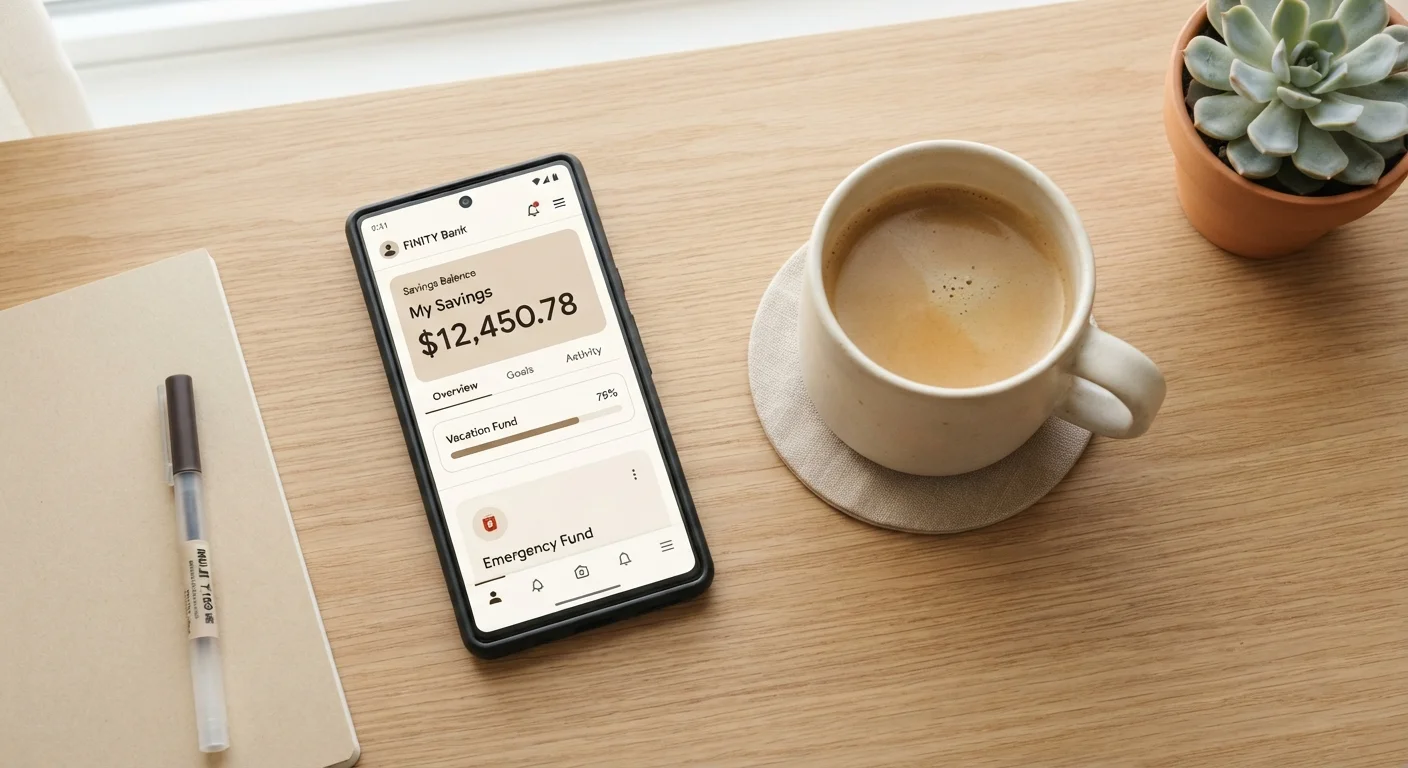
The two most common options are traditional savings accounts and high-yield savings accounts. Both are federally insured up to $250,000 per depositor at FDIC-member banks or NCUA-member credit unions. High-yield savings accounts, often available through online banks, typically carry higher annual percentage yields (APYs) than standard savings accounts. For a side-by-side breakdown of how those account types compare, see the guide to high-yield vs. traditional savings.
Money market accounts are another option. They function similarly to savings accounts but sometimes come with check-writing or debit access, which can be useful in an emergency. Certificates of deposit (CDs) are generally not appropriate for an emergency fund because withdrawing early usually triggers a penalty, which defeats the purpose of immediate access.
Keep your fund accessible but out of sight
Storing your emergency fund at a different bank than your primary checking account adds a small friction that discourages impulse withdrawals. You still have full access in an emergency, but the money is not sitting one tap away in your everyday banking app.
This article is general financial education and is not personalized financial advice. Consult a licensed financial professional for guidance specific to your situation.