

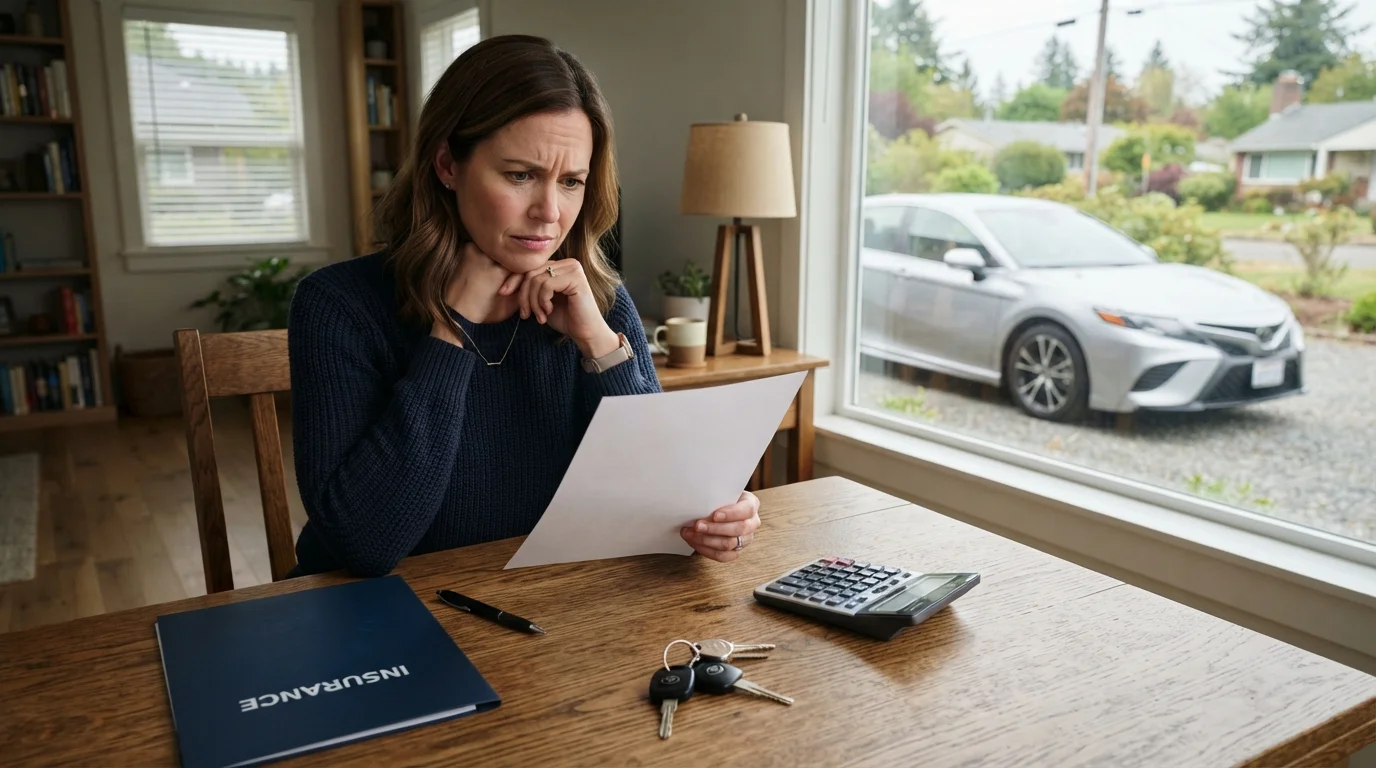
What is actually driving your premium up
When a renewal notice arrives with a higher number, most drivers assume they missed something: a ticket they forgot, a claim that was counted against them. Often, the real cause has nothing to do with their record at all.
Insurers price policies using a mix of individual factors and broader market data. If repair costs rise in your region, if severe weather claims increase in your state, or if the insurer's own loss ratio shifts, those costs get spread across policyholders at renewal. A driver with a spotless record in a high-claim zip code can see the same kind of increase as someone with two accidents on file.
Inflation in vehicle parts and labor is a significant factor. As the cost to settle claims goes up, insurers adjust premiums to stay solvent. This is general insurance economics, not a judgment on any individual driver.
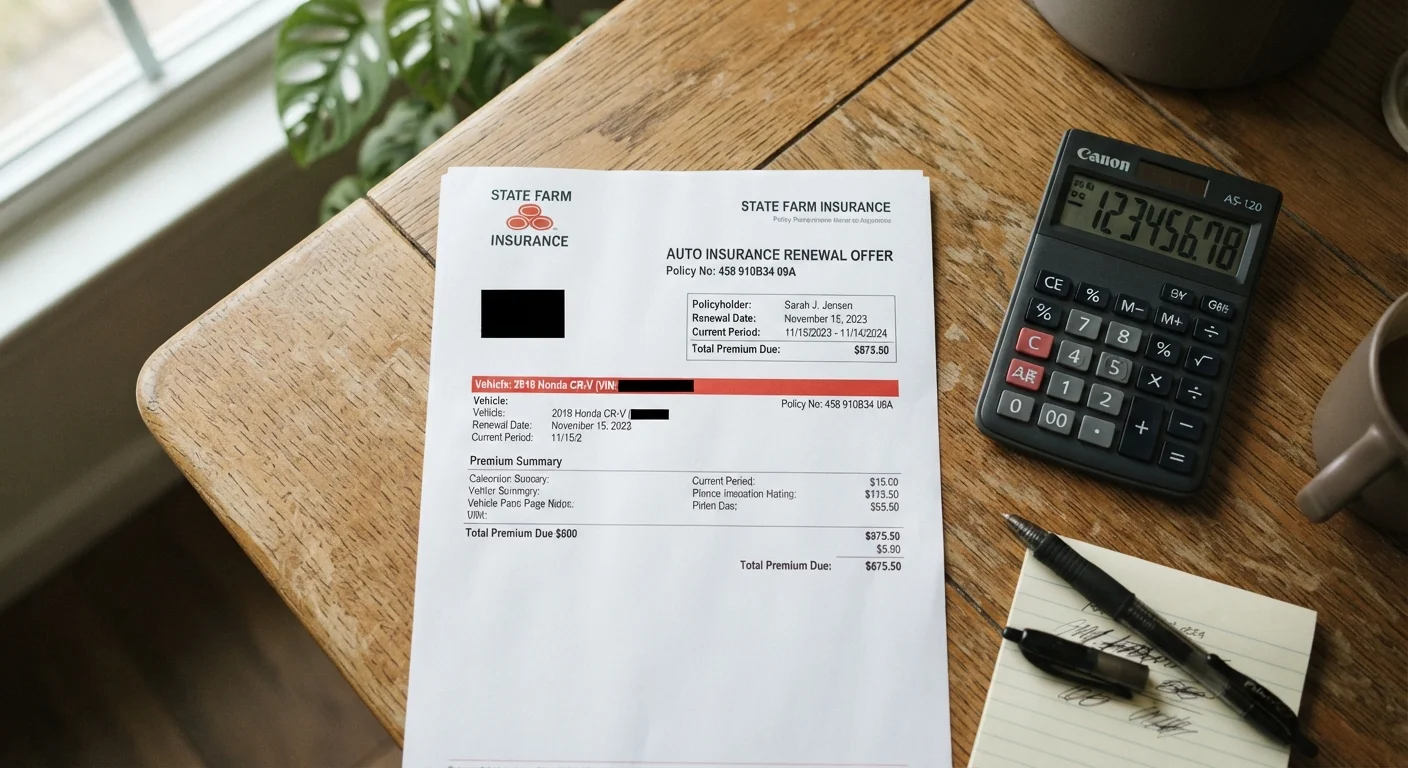
Understanding the real causes helps you respond to rate changes without assuming there is nothing you can do about them.
Mistakes that make your rate worse than it has to be
Assuming your rate only changes if you caused an accident or got a ticket.
Why it happens: Drivers naturally think of insurance pricing as a direct reflection of their own behavior, so a clean record feels like a guarantee of stability.
Ignoring how a lapsed policy affects your next premium.
Why it happens: Some drivers let coverage lapse between vehicles or during a period when they are not driving, not realizing insurers treat a gap in coverage as increased risk.
Not checking whether your credit-based insurance score changed before renewal.
Why it happens: Most drivers know lenders use credit scores, but the insurance version is calculated differently and can shift even when your lending score holds steady.
Filing a small claim instead of paying out of pocket.
Why it happens: Drivers pay premiums specifically to have claims covered, so using coverage for a minor repair feels logical.
Never shopping coverage at renewal because switching feels complicated.
Why it happens: Changing insurers involves paperwork and timing, and many drivers assume the effort outweighs any savings.
Keeping outdated coverage levels on an older, low-value vehicle.
Why it happens: Drivers set coverage when they buy a vehicle and rarely revisit it, so a car that has depreciated significantly may still carry comprehensive and collision coverage that costs more annually than the vehicle is worth.
This article is for general informational purposes only and does not constitute personalized insurance, financial, or legal advice. Coverage terms, pricing factors, and regulations vary by state and insurer. Read your actual policy documents and consult a licensed insurance agent for guidance specific to your situation.